Ηφαίστειο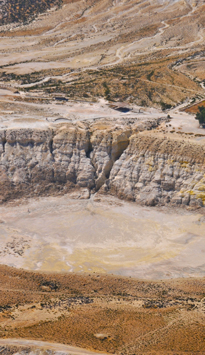
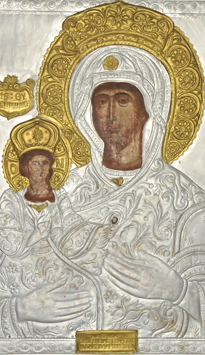
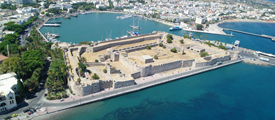 Η Κως είναι ένα μαγευτικό νησί, στο κέντρο του Δωδεκανησιακού συμπλέγματος. Βρίσκεται βορειοδυτικά της Ρόδου και νοτιοανατολικά σε σχέση με την ηπειρωτική Ελλάδα και είναι το τρίτο...
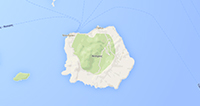
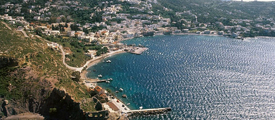 Η Λέρος έχει έκταση περίπου 53 τετραγωνικά χλμ. ενώ έχει πολλά χωριά που αποτελούν ένα Δήμο με έδρα τον Πλάτανο. Τα πιο σημαντικά χωριά της Λέρου είναι: Το Λακκί το μεγαλύτερο λιμάνι...
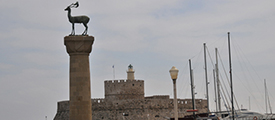 Η Ρόδος είναι το μεγαλύτερο νησί της Δωδεκανήσου. Βρίσκεται στη νοτιοανατολική πλευρά του Αιγαίου, απέναντι από τις μικρασιατικές ακτές, από τις οποίες απέχει 11 μίλια...





German - English Invasion, Union
- Κατηγορία: History References
- Δημοσιεύτηκε στις Τετάρτη, 13 Ιουνίου 2012 13:01
- Γράφτηκε από τον/την HostPlus ltd
- Εμφανίσεις: 4502
-

-

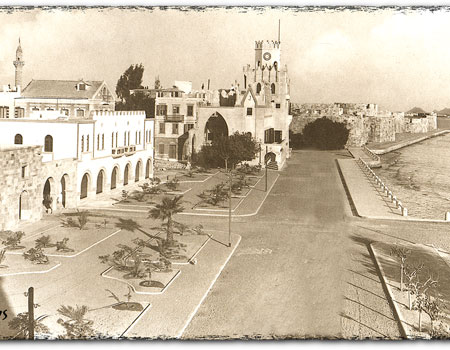 Kos’s future was connected directly with the developments of the 2nd World War. After Musolini’s defeat by the Germans in 1943, German soldiers arrived in Kos and so started the hard German occupation of Kos, which ended in 1945 with the surrender of Germany. Kos initially was passed on to the English on 8th May 1945.
The British command was based in Rhodes and had separated the Dodecanese into six areas. The intentions of the English were to help the Dodecanese during this transitional stage and make it as peaceful as possible to get back in to the normal rhythm of life. In 1946 talks began about uniting with the mainland Greece. On the 2nd May 1946 we had the first local elections. On 31st March 1947 the Brigadier A.S.Parker handed over the Dodecanese to the head of Greek command, Admiral Periklis Ioannidis and on the 7th March 1948 the official union ceremony took place.
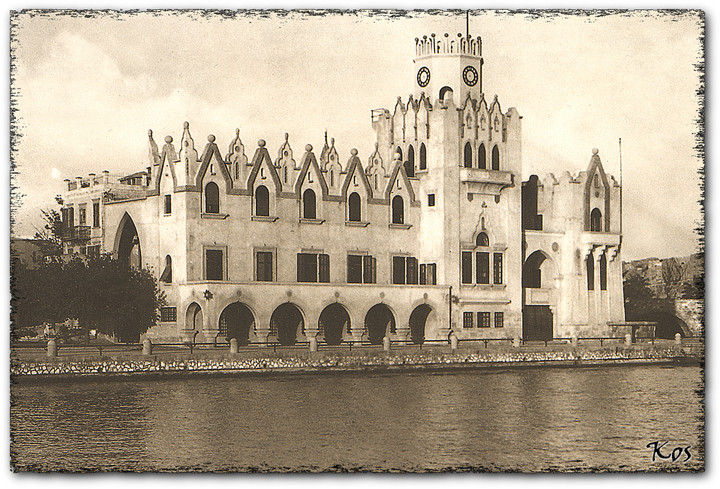 In 1912 the Italians take over the island and declare themselves liberators of the Greek people from the Ottoman’s empire. Their arrival was met by hope and expectations that they would ensure the islands safety and independence and its union with the rest of Greece.
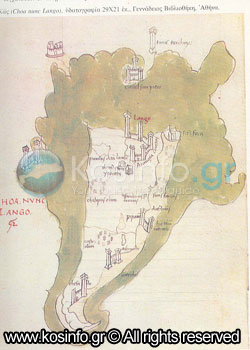 During its domination in Kos (1337-1522) the Battalion of the Knights of Saint John fortified and upgraded the Byzantine network of fortresses on the island. In those times Kos was an independent unit to which Kalymnos and Leros belonged to. The command of the Knights was carried out by few commanding officers but they offered sufficient protection from the attacks of the pirates and the Muslim empire. According to the Knights records which can be found in Malta today,
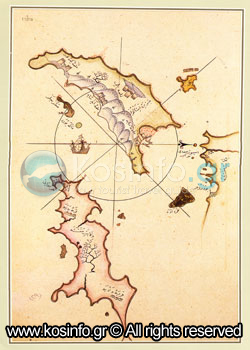 Since the 15th century and especially after taking over Constantinoupoli in 1453, the Ottomans tried to take over from the Knights in the Dodecanesse. Initially they asked for a tribute tax, after the refusal by the Knights to pay, they began systematic attacks on the island, forcing the residents to leave many times and seek refuge in the castles. After the take over of Rhodes by the Ottomans in 1522, Kos along with other islands of the Dodecanesse pass into the Sultans hands. The economy of the island depends on agriculture and commerce
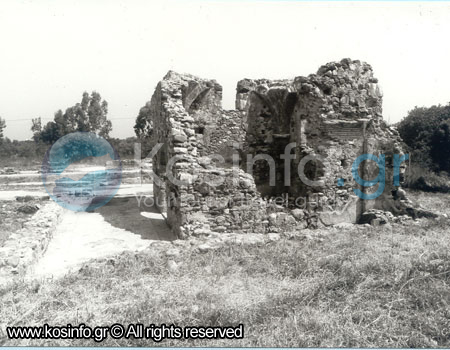 The first mention of the early Christian period in Kos is connected to the visit of the disciple Paul which is mentioned in the book of Paul. This was recorded in the minutes of the first Ecumenical Synod of Nice in 325 and was signed by the bishop of Kos Melifron.
 In the second half of the 11th century we are informed that Nikiforos Melissinos, husband of Evdokia who was the sister of the emperor Alex the first Komninou resided in Kos where he owned a lot of land. At the same time a large number of royal related people came to Kos like Christodoulou who founded the monastery of Theotokou in Old Pyli. Christodoulou exchanged the land in Kos with land in Patmos where he founded the monastery of St John Theologou. From the 11th century till the beginning of the 14th century Kos had many administrative changes up until the occupation by the Knights of Ioannites.